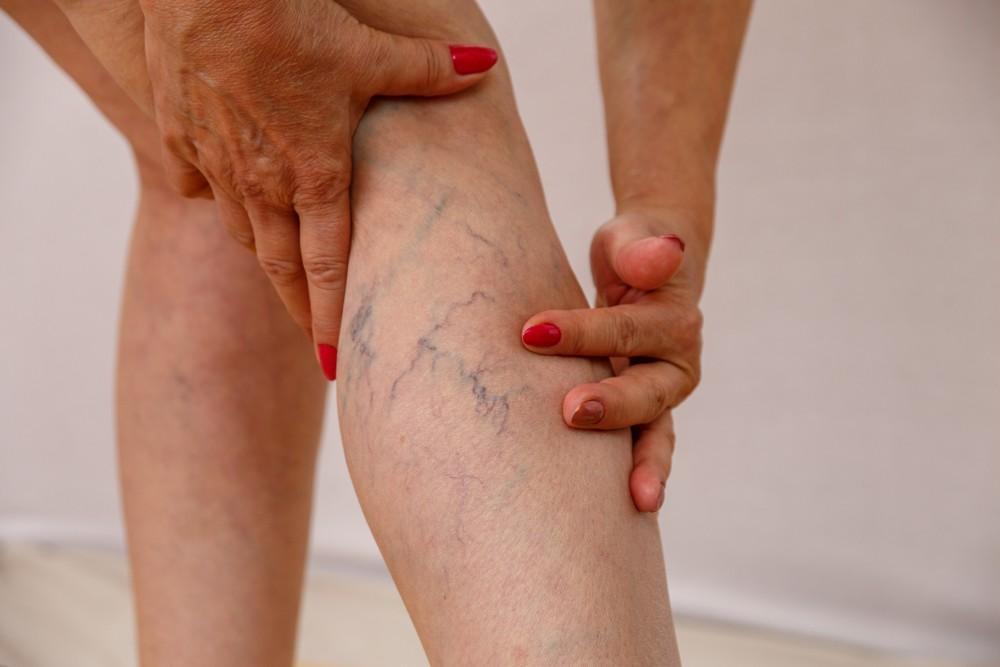
Your varicose veins make your legs tired — and you’re tired of looking at them. Perhaps they ache or burn by the end of the day.
Thanks to modern technology, you don’t have to live with leg pain from varicose veins. Our board-certified radiologists at REDI Diagnostics Corp in Elmwood Park, New Jersey, treat many cases of unsightly varicose veins. We help relieve your discomfort and restore the natural beauty of your legs.
Two of the most common procedures to eliminate varicose veins are endovenous laser ablation (EVLA) and radiofrequency ablation (RFA). They’re similar procedures and accomplish the same end. Your expert provider explains the differences in the procedures and lets you know which procedure they recommend for you.
EVLA: Endovenous laser ablation
EVLA is a state-of-the-art, minimally invasive outpatient procedure that eliminates your troublesome varicose veins. You won’t feel discomfort during the procedure. Your doctor numbs the affected area on your leg with local anesthesia, and some patients may also receive mild sedation.
Your expert radiologist inserts a thin catheter through a small incision in your leg and guides it into your vein using ultrasound. Then they insert a tiny laser-tipped instrument into the catheter.
The laser's heat causes the vein to collapse and seal shut, leading it to shrink. And your blood begins to flow to surrounding veins.
EVLA is commonly used to treat larger varicose veins caused by underlying venous reflux, a condition in which blood flows backward through damaged valves. Your radiologist can adjust the laser energy as needed during the procedure.
The EVLA procedure only takes a few minutes, but the entire process from start to finish takes about one hour. EVLA has very high success rates, often exceeding 90%. You’re in safe hands.
Radiofrequency ablation
Radiofrequency ablation is one of the most commonly recommended minimally invasive treatments for varicose veins.
As in the EVLA procedure, your radiologist inserts a catheter through a small incision. The catheter carries radiofrequency heat energy, which collapses and seals the vein.
Radiofrequency ablation is also a minimally invasive procedure. Success rates are over 90%.
Advantages of EVLA and radiofrequency ablation
EVLA and radiofrequency ablation are both effective treatments for problematic varicose veins. They’re minimally invasive procedures; you go home the same day. Neither requires general anesthesia. Tiny incisions mean no large scars.
Your doctor issues written post-procedure instructions; follow them for optimal healing and to help reduce your risk of complications. You should be able to return to a desk job a few days after either procedure.
If your work involves physical labor, your doctor may recommend temporary modifications to your duties while you heal.
We encourage you to take short walks a few times a day to boost healing and prevent blood clots. You’ll wear compression stockings temporarily.
Varicose veins present differently in each individual. Your radiologist explains which procedure is best for your specific circumstance. Call REDI Diagnostics Corp at 201-773-4255 or book an appointment online today if you have painful varicose veins.